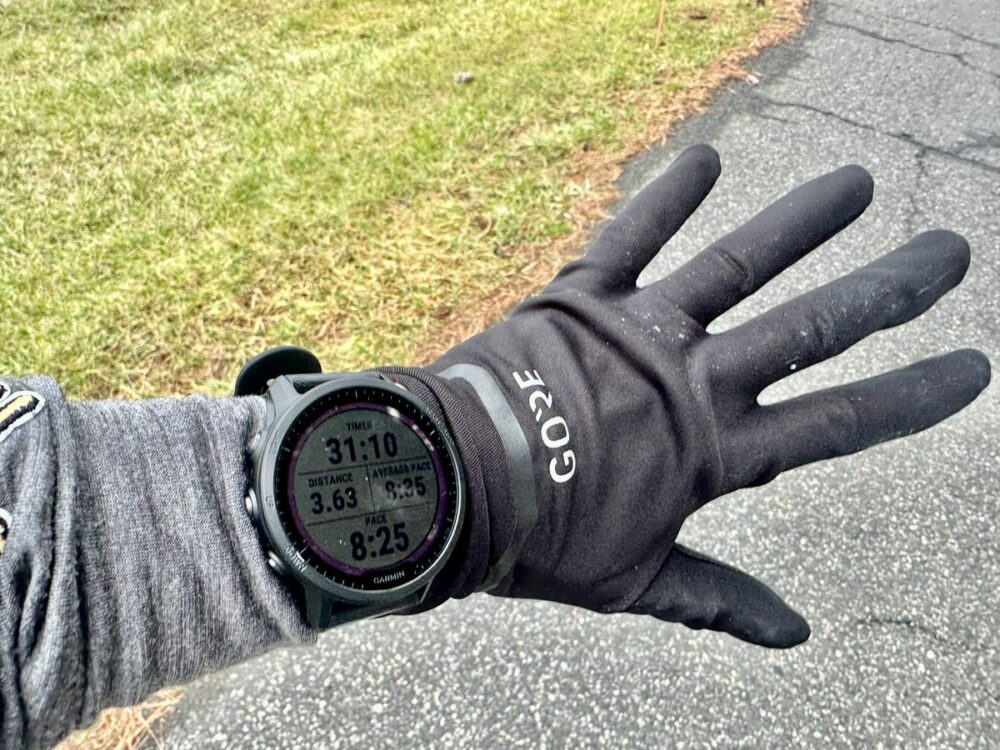
It is very common for athletes to use mileage (A.K.A. distance) to track their runs, bikes, swims and other endurance sport training. When we start training this is one of the easiest and cheapest things to record. Distance is also related to many events we do. Many runners do 10km or marathons or 100-milers while cyclists will complete centuries (100 miles) or bucket list events like Unbound Gravel that is 200 miles of challenging gravel terrain.
While volume matters it is not a great way to guide training and is a misleading way to track progress, especially as you become more experienced in your sport. If your goal is performance, health, or long-term consistency, it might be time to shift your mindset away from mileage goals in favor of mix of more advanced metrics (power, pace) and qualitative metrics like feeling, skills and session-focus.
1. More Miles Doesn’t Equal Progress
One of the biggest myths in endurance sport is that more is always better. We all know a cyclist who logs endless base miles but struggles in every race because they don’t have the speed, strength or skills to perform during critical moments in the race. Mileage is just one training variable and it is affected by so much that it presents a very incomplete picture of fitness and preparedness. While you could ride 200-miles before Unbound that isn’t any guarantee of success because it misses out on critical aspects like group riding, technical skill, heat preparation, and the inevitable fatigue you create by doing such long rides. A better strategy is to consider the time and intensity you ride to help elicit physiological adaptation along with the critical skills for an event or challenge.
2. Fitness Gains Come From Specific Stress
Whether you’re training for a 10K or a 200-mile gravel race, your body adapts to specific types of stress. For intermediate and advanced athletes the training must become more specific and provide a balance of low-intensity training and higher intensity training. While you will accumulate mileage by doing these workouts, the focus should be more on the time in zone or at the specific intensities rather than the miles accumulated.
If your “easy” workouts always turn into pace-pushing efforts just to hit a distance number, you’re likely sabotaging recovery and performance in key workouts. This regression to the mean is one of the most common reasons for injury and training plateaus. Time-limited athletes will run sort of hard most workouts to get a ‘good workout’ and to cover a mileage target with the time they have but never work on their high intensity speed or building their aerobic capacity (e.g. Zone-2)
3. More Miles Optimizes for Less Challenge
Said simply, if success is more miles than you should avoid up-hills, headwinds, technical sections and anything that slows you down. The challenge is that the things that slow you down are the things that create ‘critical moments’ in races and many of the desired physiological, psychological and technical gains in training.
When athletes come to us we look at their hours, their heart rate distribution and their elevation gain (vert). Distance is rarely examined, yet those annual distance goals and Strava ‘year in review’ highlight these values. How many people push for 10,000 km years (on bike) and still find they aren’t getting better.
4. Specific Terrain & Skill Beats Distance
In off-road sports like trail running, gravel racing, and mountain biking the ability to handle terrain efficiently, descend confidently, and ride or run relaxed over rough ground often matters a lot. If all your miles are fast pavement miles than you will miss out on the technical and tactical practice required to thrive and be efficient in the sport. You also can not adequately test out your mechanical and equipment setup to avoid issues on race day.
Short skills sessions and riding on event specific terrain typically means less mileage and yet is a fantastic type of training.
5. Long-Term Consistency Wins
Finally, the biggest reason to stop stressing about mileage? Longevity. The athletes we coach who thrive into their 60s and 70s don’t think about distance. They’re the ones who train to have fun most days and do a couple focused workouts using feeling (and often supported by Heart rate or power). Mostly easy and fun plus a little focused hard work!
If you’re feeling stuck, tired, or overly focused on numbers, try this: Track time and intensity instead of distance. Celebrate consistent weeks, key workouts, and skill progress. Use mileage as one tool in the toolbox—not the only one.
Want help building a smarter, more sustainable training plan? Consider booking a Phone Consultation or a Custom 3-month Training Plan to help guide your sustainable training routine.